
Introduction
The current cybersecurity teams are working in a 24/7 threat environment. Wareings are 24/7, systems are getting more complex and expectations of prompt response keep on increasing. Although organizations have invested a lot of resources in security tools, the human aspect in the security aspect has been neglected. This has resulted in the development of a security fatigue problem. Critical risks have a higher chance of being overlooked when the teams are overwhelmed, not necessarily because of a lack of skills, but because of overload. It has become necessary to address security fatigue, and one of the ways is automation that contributes to security sustainability.
What Is Security Fatigue?
Security fatigue happens when a steady flow of alerts, notifications, and manual investigations are presented to the analysts and security team with an implicit prioritization. In the long run, it will cause mental fatigue, slowness in providing responses, lack of attention to detail. The situation is that when all alerts sound urgent, teams can hardly decide what the problem really needs to be acted upon. This desensitization augments the threat of overlooked threats and slow reactions.
Why Traditional Security Models Create Burnout
Numerous organizations use various security tools, each of which is devoted to a particular issue, e.g., network monitor, endpoint protection, or compliance. These tools are effective in silos although they tend to work in this manner. The outcome is the repetition of alerts, disjointed information, and the absence of cohesiveness. Security teams must perform manual processes of correlating data between systems, researching false positives, and flipping between dashboards. Such reactive strategy adds work load and is a major cause of burnout.
The Human Cost of Alert Overload
The problem with alert overload is not only that it affects efficiency but it also affects people. Decision fatigue, stress, and increased turnover rates are caused by constant pressure, and high cognitive demand. In cases where security professionals are fatigued, their critical analysis skills are affected. It leads to a vicious cycle in which the overwhelmed teams will react more slowly, events will intensify, and the pressure will grow further. This undermines trust and compromises the security posture on the long run.
How Automation Reduces Noise and Restores Focus
Automation assists in breaking this loop by eliminating low-value alerts and emphasizing on what is really significant. Rather than displaying unprocessed data, automated systems examine behavior patterns, match events and rank risk contextually and impact-wise. This enables the teams to aim at high-risk issues instead of wasting time on redundant tasks and false positives. Automation makes the difference between fire fighting and informed decisions on security.
Supporting Humans, Not Replacing Them
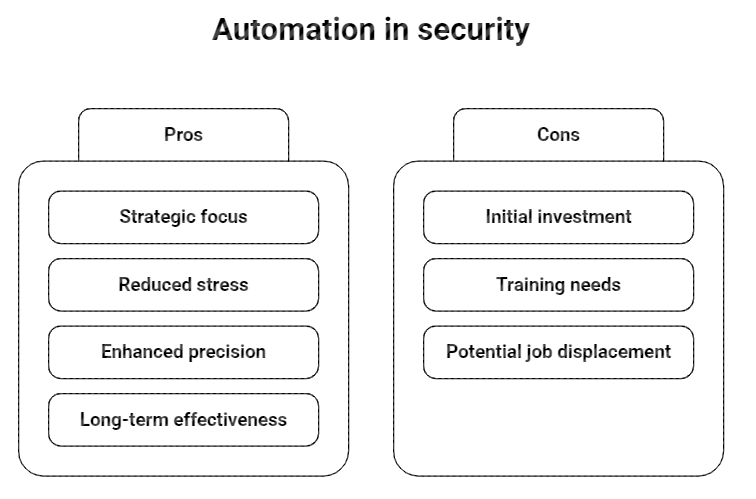
Automation does not mean that security professionals will be replaced–it means that they will be supported. The automation of repetitive and time-consuming processes allows the teams to concentrate on strategic analysis, judgment, and response planning. This minimizes stress, enhances precision and allows the teams to work better in the long run. Good security operations require healthy and focused teams.
Conclusion
Security fatigue is an actual problem of the current cybersecurity, based on the overload of alerts and the disjointed process. There is a pragmatic solution to this issue since automation can minimize noise, enhance clarity and facilitate smarter prioritization. Organizations enhance resiliency and sustainability of the security operations by aiding the individuals behind them.
To learn how continuous, automated visibility can reduce security fatigue and support smarter security decisions, explore how Vigile helps organizations stay ahead at vigile.ai.